De Klimaatpiraat
An interactive educational installation where children play as captain of a waste collection boat along a polluted river and sort waste using physical trash bins.
Period
February 2026 - May 2026My Roles
Used Technologies
Project documentation
Context
De Klimaatpiraat is an interactive educational installation built as a group assignment for the course Development 4, together with Reinhart Schepens and Emilien Callant. The goal was to build an Interactive Design Prototype with a strong focus on design thinking and user experience.
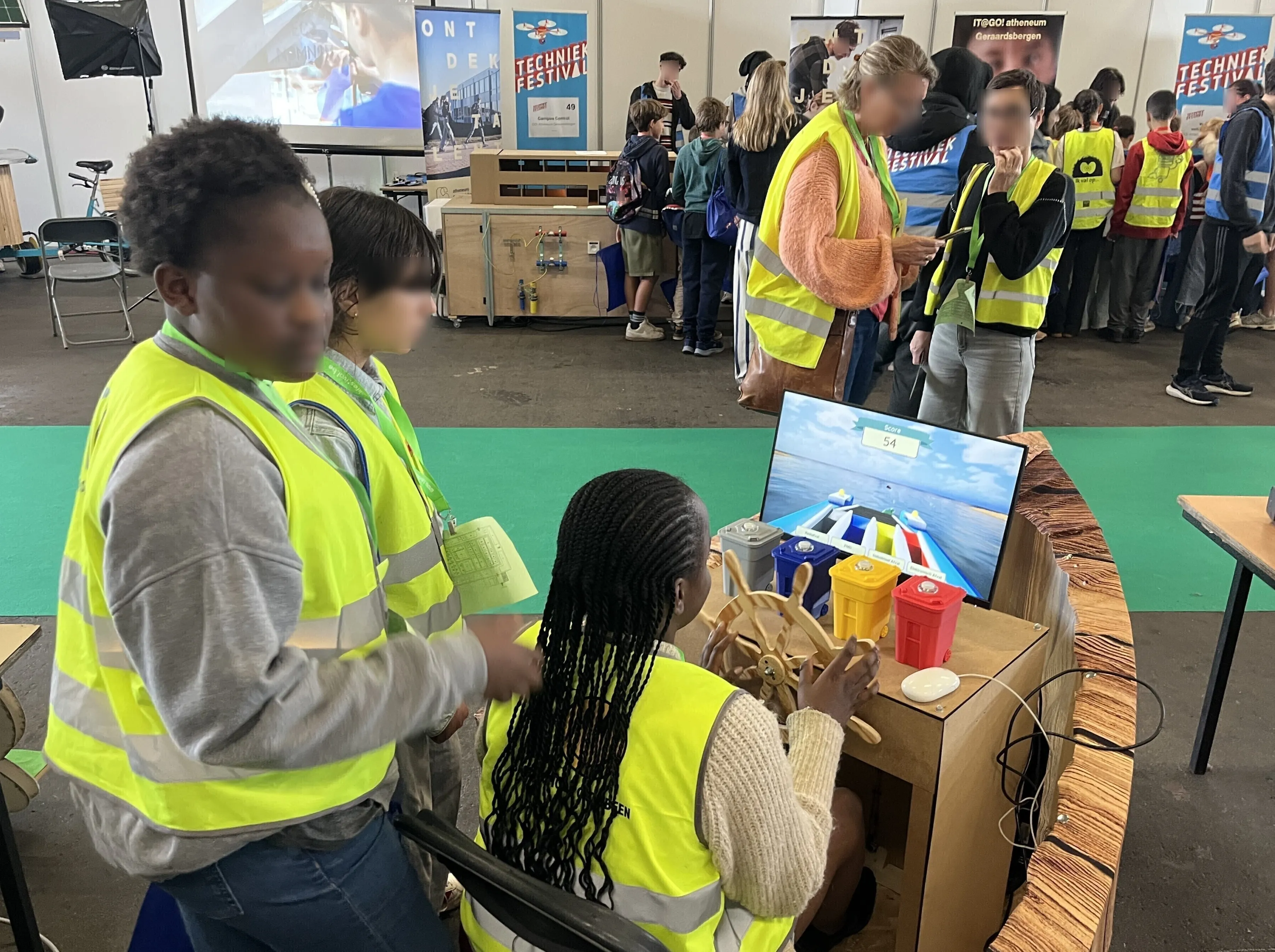
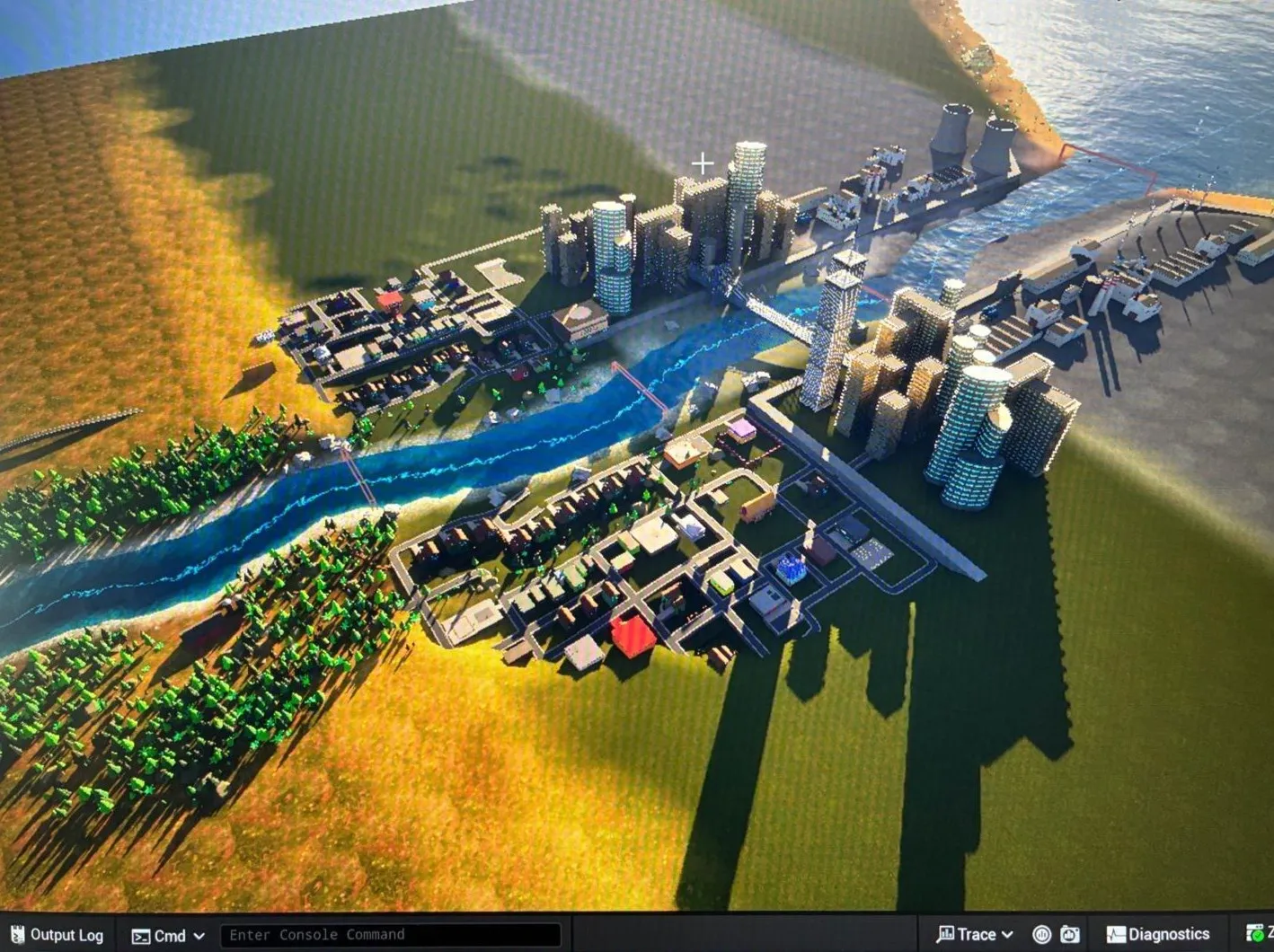
The installation is built around the bow of a boat. As a player you stand behind a physical steering wheel and navigate a digital waste collection boat along a polluted river, shown in first-person perspective on an upright screen. Along the way waste appears in the water that you need to collect and correctly sort using four physical, colour-coded trash bins in front of the screen. The journey passes through five zones, from a clean forest river through a village and a city to an industrial area and finally the ocean. The better you perform, the less visible waste there is in the river. At the end of the journey you receive a personal score and detailed statistics about your impact.
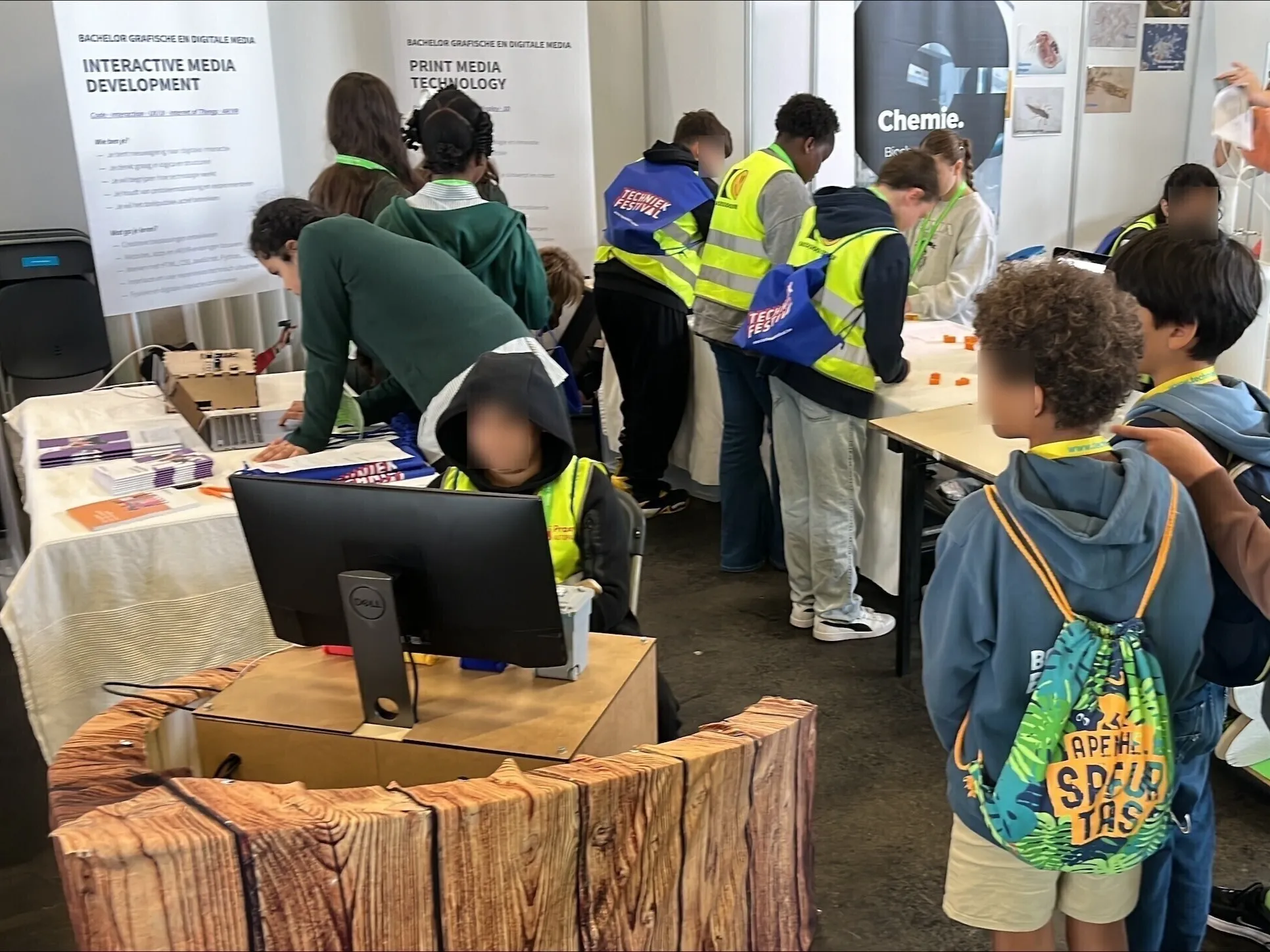
What started as a prototype assignment grew into an installation that is nearly ready for real-world deployment. It was exhibited at the Techniekfestival in Flanders Expo, where children had a lot of fun with it.
Contribution
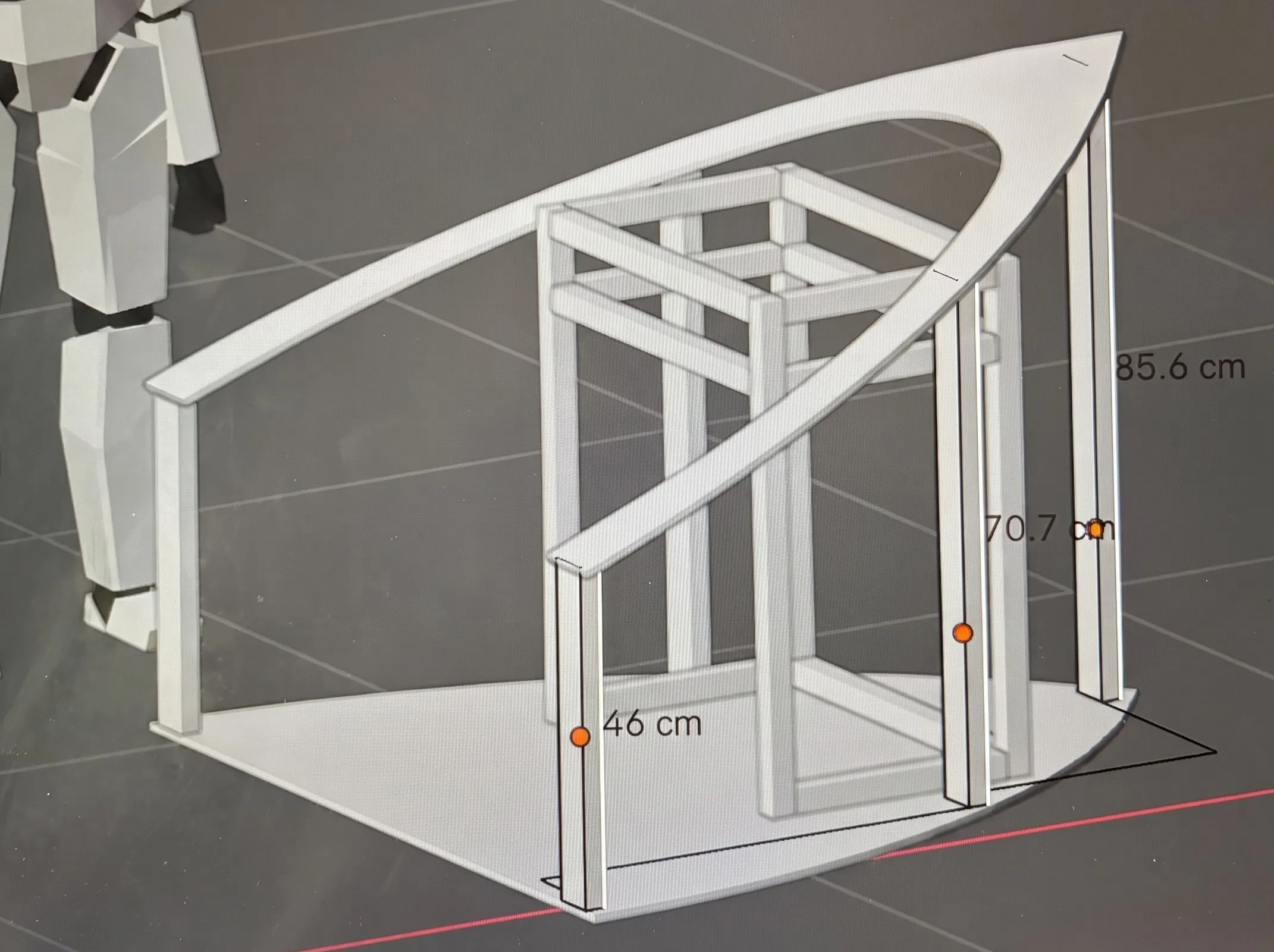
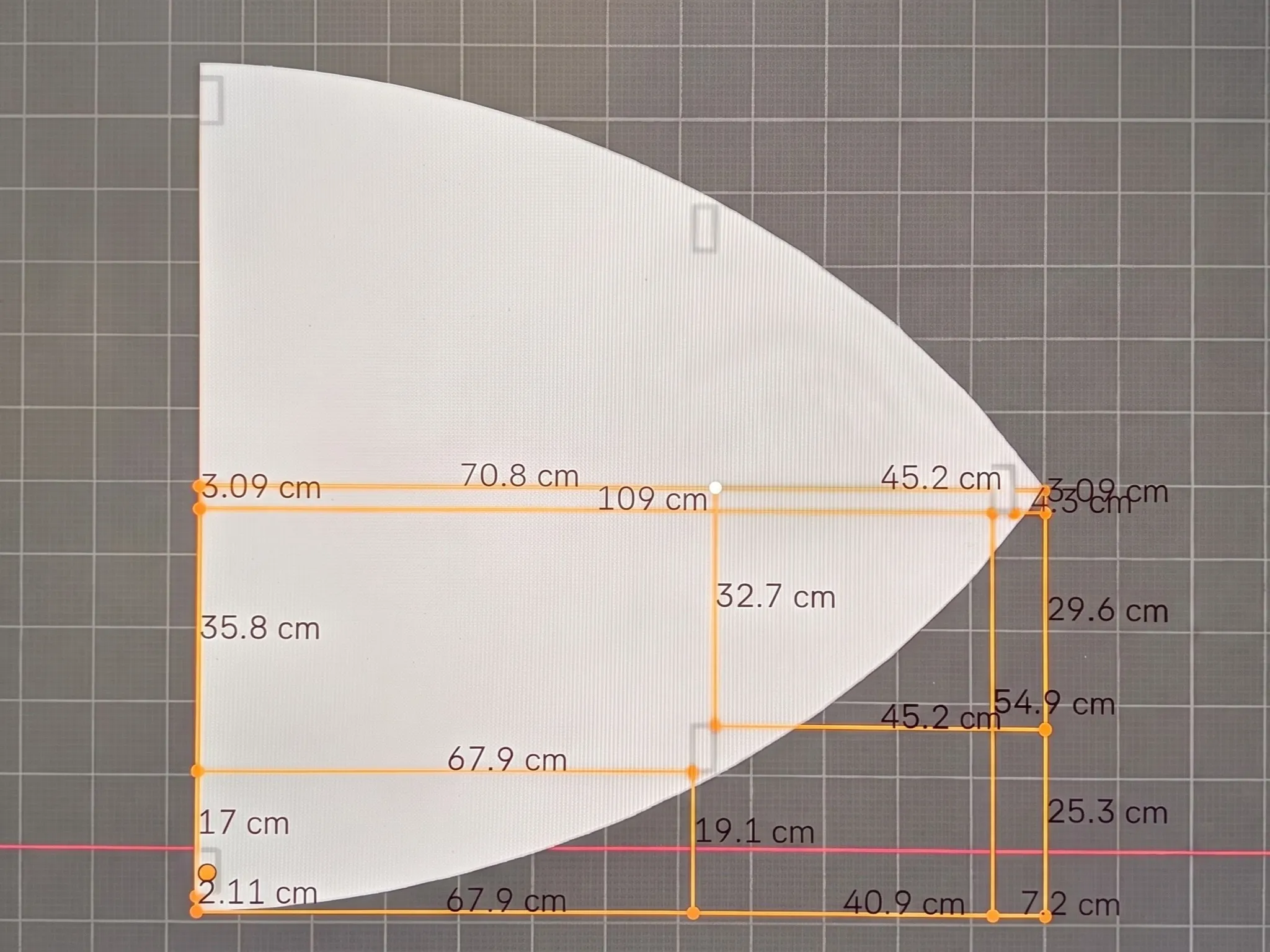
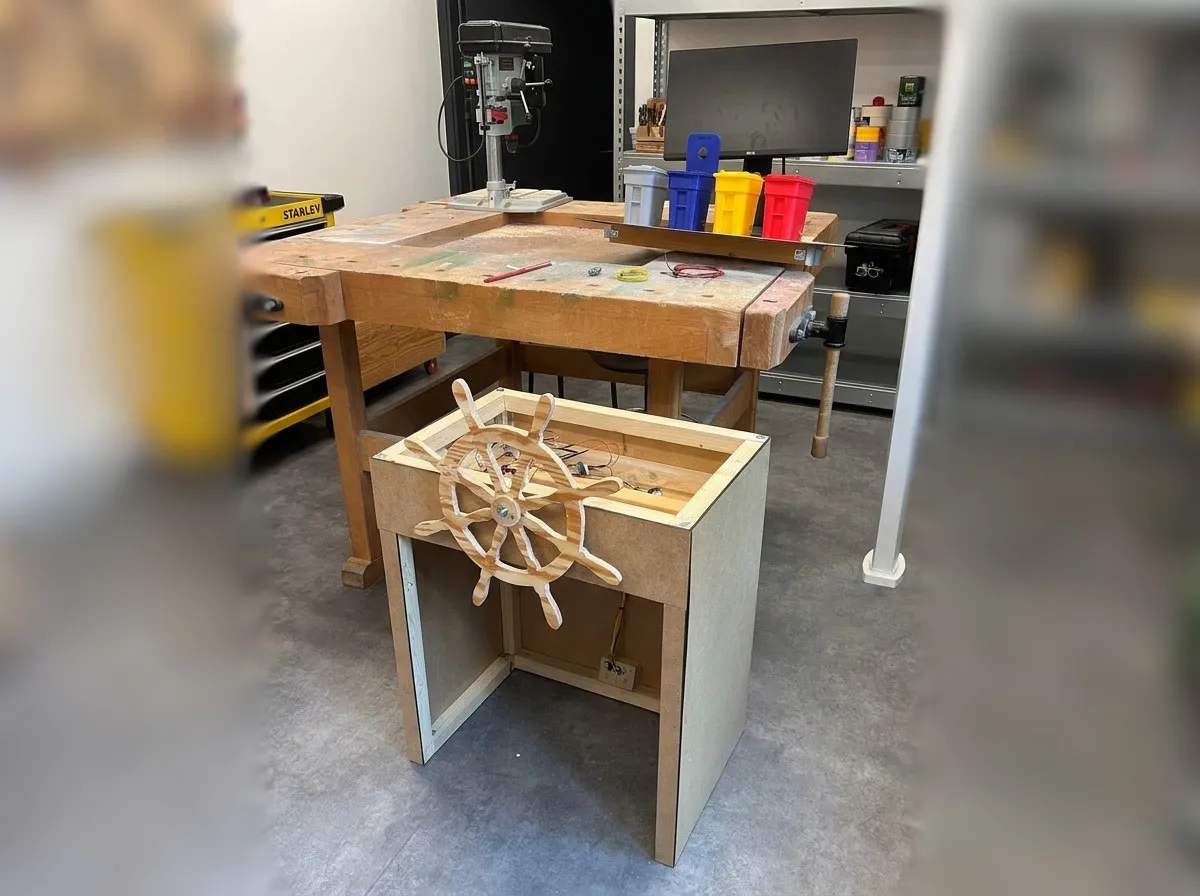
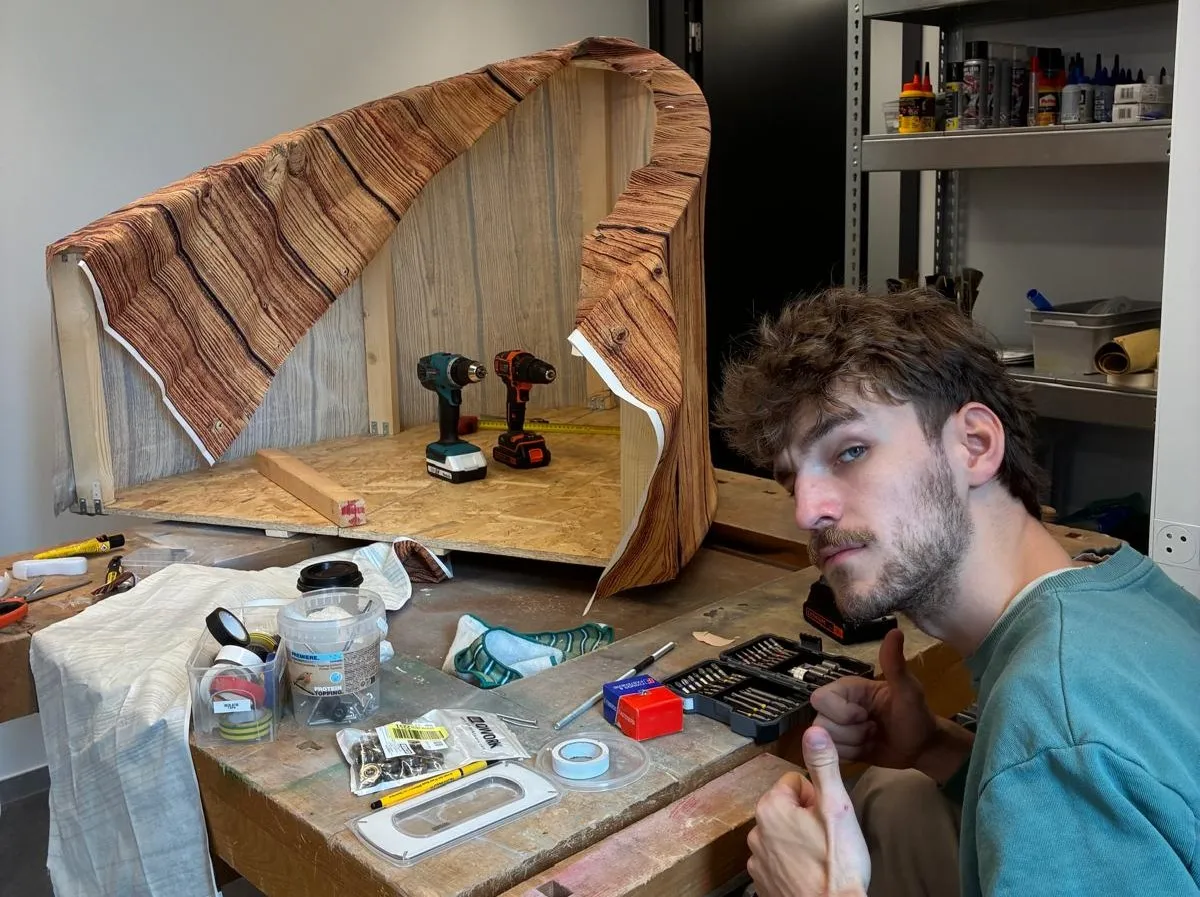
My focus was on the technical and hands-on side of the installation. I designed and built the boat bow and housing: first worked out to scale in Blender and then physically assembled from OSB panels, wooden beams and MDF. The steering wheel is custom made via a laser-cut SVG design, and the 3D printed parts used in the installation were also designed and printed by me.
On the software side I built the game logic in Unreal Engine using blueprints, including the central boat character blueprint, the dynamic waste spawning system, the serial communication with both Arduinos and the river generation system based on a spline. I also designed the full IoT system and helped build it.
Challenge
Collaborating in Unreal Engine was the biggest challenge of this project. Unreal Engine is not designed for simultaneous multi-person editing, and setting it up correctly was too complex given the amount of time we had. This meant we had to work separately and merge changes manually, which cost a lot of time and made dividing tasks harder.
On the technical side, the boat controls were the trickiest part. The rotary encoder only sends a 1 or -1 with each movement, which caused the boat to jump with every incoming signal. The solution was a velocity variable: each incoming signal increases the speed in that direction, and every in-game tick that speed decreases automatically. This makes the controls feel smooth and natural.
The physical coupling of the rotary encoder to the steering wheel also took some iteration. A first attempt using a timing belt failed because the tension required kept breaking the encoder. The final solution was to mount the encoder directly opposite the threaded rod of the steering wheel and attach them to each other with duct tape, simple but robust.
Result
De Klimaatpiraat is one of the projects I am most proud of. What started as a prototype assignment grew into a nearly fully finished installation. The boat bow looks visually appealing and professional, the game is fun and educational, and the combination of physical interaction with the digital game experience works exactly as intended.
At the Techniekfestival in Flanders Expo, children, our target audience, reacted with enormous enthusiasm. That was the confirmation that the installation achieved its goal: children learn about water pollution in a playful way without it feeling like a lesson. This project improved my skills in: physical design and construction, working with microcontrollers and serial communication, and building complex game logic in Unreal Engine.